Purchasing property in the UK as an expatriate or non-resident can seem like a daunting process, especially with the different rules and mortgage options available. Whether you’re interested in a standard residential property or an investment through a buy-to-let mortgage, understanding the key factors such as ARM rates, eligibility, and criteria is crucial for making an informed decision. This blog will guide you through these common questions and provide insights into how Richmond Financial can help you navigate the complexities of UK mortgage markets.
What Are Some Good ARM Rates for Mortgages in the UK?
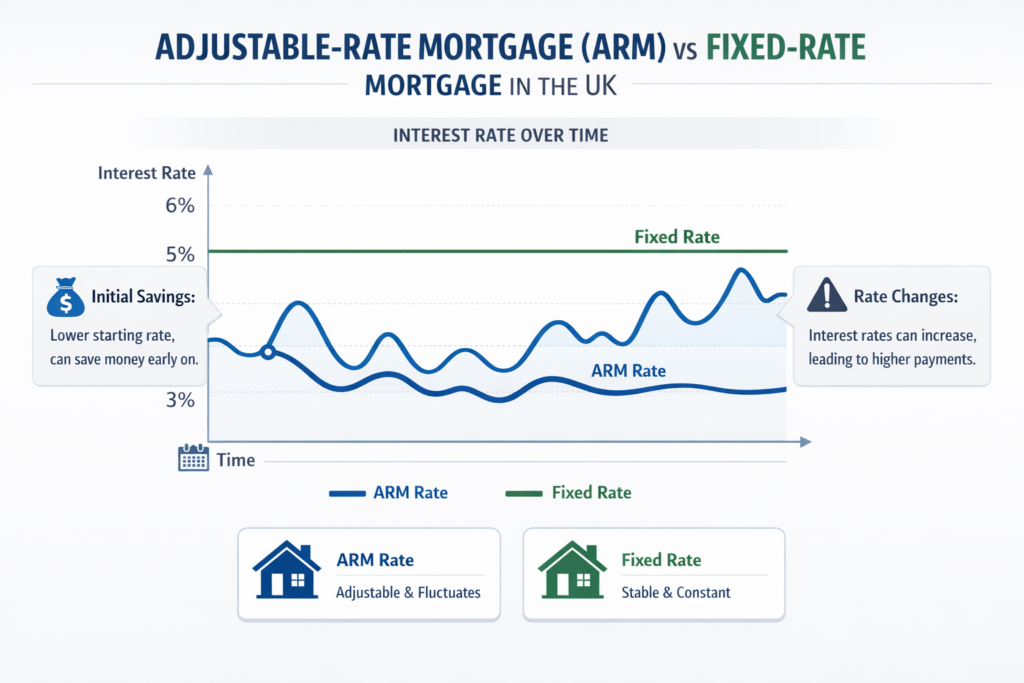
Adjustable-rate mortgages (ARM) are a popular choice for many property buyers in the UK, particularly when interest rates are low or are expected to rise in the future. ARM mortgages typically offer a lower initial interest rate compared to fixed-rate mortgages, but the rate can change after a certain period, usually 2, 3, or 5 years.
What Makes ARM Attractive to Expats?
For expats looking to purchase property in the UK, ARMs can offer initial savings with lower monthly payments during the early years of the loan. However, since the interest rate is variable, it is important to plan for potential future increases in monthly payments. If you are planning to stay in the UK for a relatively short time or intend to sell the property in the first few years, an ARM could be a good choice.
Current ARM Rates:
As of 2026, typical ARM rates in the UK range from 3.5% to 4.5% for a 2-year fixed-rate period, after which the rate adjusts according to the Bank of England base rate and the lender’s margin. Rates may vary depending on your credit profile, deposit amount, and loan amount.
For expats, it’s essential to work with a financial advisor who understands both UK mortgage regulations and international financial profiles. Richmond Financial can help you identify the best ARM option for your circumstances, ensuring you make a financially sound decision.
How Can a Non-Resident of the UK Buy Property in the UK?
Buying property in the UK as a non-resident (including expats) is completely possible, though there are a few extra steps to consider. The UK property market has no specific restrictions against foreign buyers, which makes it attractive for those looking to invest in British real estate.
Key Steps for Non-Residents:
- Eligibility for a Mortgage:
Non-residents can apply for a mortgage in the UK, but the requirements tend to be stricter compared to those for UK residents. Lenders usually require a higher deposit (typically around 25-40%) and may charge higher interest rates. - Proof of Income and Employment:
As a non-resident, providing proof of income can be a little more complex, especially if your income is earned outside the UK. Lenders will typically require evidence of income, such as bank statements, contracts, and sometimes even foreign tax returns. - Stamp Duty Land Tax (SDLT):
Non-residents who purchase property in the UK will have to pay Stamp Duty Land Tax. As of April 2021, an additional 2% SDLT applies to non-residents buying property in England and Northern Ireland. This is important to factor into your budget when purchasing property. - Mortgage Application Process:
The process of applying for a mortgage as a non-resident can be more involved and require more paperwork. Non-residents may also face higher fees and a more thorough background check. Richmond Financial can guide you through this process and help you secure a mortgage with minimal hassle.
Can Freelancers or Contractors Get a Mortgage in the UK?
One of the most common concerns for freelancers and contractors in the UK is whether they can get a mortgage, as they often do not have a regular salary or income statement. While it may be more challenging than for those with traditional employment, it is still entirely possible to secure a mortgage as a freelancer or contractor.
Mortgage Lenders and Freelance Income:
Mortgage lenders look at freelance and contract work as a more volatile income source, so they often require additional proof of income and work history. Typically, lenders will want to see at least two years of consistent income, ideally with a strong history of contracts or projects. If you’re just starting out as a freelancer or contractor, securing a mortgage may be more challenging, but it’s not impossible.
Documents Needed for a Freelance Mortgage Application:
- Two years of tax returns (Self-Assessment or other tax documents).
- Contracts or work history showing a steady stream of income.
- Bank statements showing payments from clients.
- A larger deposit (usually 15-25%) may also be required.
At Richmond Financial, we specialize in working with freelancers and contractors to help them secure the right mortgage product. We can help you put together your documentation in a way that makes lenders feel confident about your ability to repay the loan.
What Is the Criteria for a Buy-to-Let Mortgage?
Buy-to-let mortgages are popular for expats looking to invest in the UK property market. They allow you to purchase property with the intention of renting it out. However, there are specific criteria that you must meet in order to qualify for a buy-to-let mortgage.
Key Criteria for Buy-to-Let Mortgages:
- Minimum Deposit:
Typically, lenders will require a deposit of 25-40% for a buy-to-let mortgage, depending on the property value and your financial profile. - Rental Income:
Lenders will assess the potential rental income of the property to ensure it will cover the mortgage payments. Generally, the rent should cover at least 125-145% of the mortgage repayment. - Age and Income:
While there is no specific age requirement, most lenders prefer that applicants are at least 21 years old and have a steady income. In the case of expats, lenders may require additional documentation to verify income earned abroad. - Credit History:
Lenders will assess your credit score to ensure you can meet repayment obligations. If your credit score is lower than expected, you may be required to pay a higher interest rate or offer a larger deposit. - Property Type:
Some lenders have restrictions on the type of property that qualifies for a buy-to-let mortgage, such as a maximum number of bedrooms or a limit on certain types of properties like student housing.
Richmond Financial can help you identify the best buy-to-let mortgage product for your needs, ensuring you understand all the associated risks and responsibilities involved.
FAQs
1. Can a non-resident apply for a mortgage in the UK?
Yes, non-residents can apply for a mortgage in the UK. However, they typically need to meet higher deposit requirements (often around 25–40%) and provide more detailed financial documentation.
2. What is the difference between a fixed-rate and an adjustable-rate mortgage?
A fixed-rate mortgage has an interest rate that stays the same for the duration of the loan, whereas an adjustable-rate mortgage (ARM) has an interest rate that can change after an initial fixed period.
3. How much deposit do I need for a buy-to-let mortgage in the UK?
For a buy-to-let mortgage in the UK, the typical deposit required is 25–40%, depending on the lender and your financial circumstances.
4. Can freelancers get a mortgage in the UK?
Yes, freelancers can get a mortgage in the UK, but they may need to provide extra documentation, such as two years of tax returns, contracts, and bank statements. A larger deposit may also be required.
5. What is Stamp Duty for non-residents?
Non-residents buying property in the UK are subject to an additional 2% Stamp Duty Land Tax (SDLT) on top of the standard rates.